
Series
A Bangkok mid-to-high-end restaurant's journey from menu to membership: build in steps, and let every step stand up to market verification
A phase-by-phase case study built from real implementation experience: a Bangkok mid-to-high-end restaurant where orders are written by hand, the kitchen runs on call-outs and clipped paper, customers live in staff memory, and the paper menu ages, gets dirty, and needs reprints or hand-scratch-outs on price changes. It faces a complete need — ordering, kitchen, and customer systems are all missing — yet the systems on the market are either too complex, too expensive once subscriptions add up over years, or sold without any design for digitalization and marketing. With digitalization as the end goal, it builds in steps: menu digitalization first, then marketing to draw guests in, then website ordering to the kitchen (without scheduling for the chef), then a customer base profile, and finally membership and stored-value cards plus long-term social-media operations — every step standing up to market verification and scrutiny.
7 articles · 71 min total
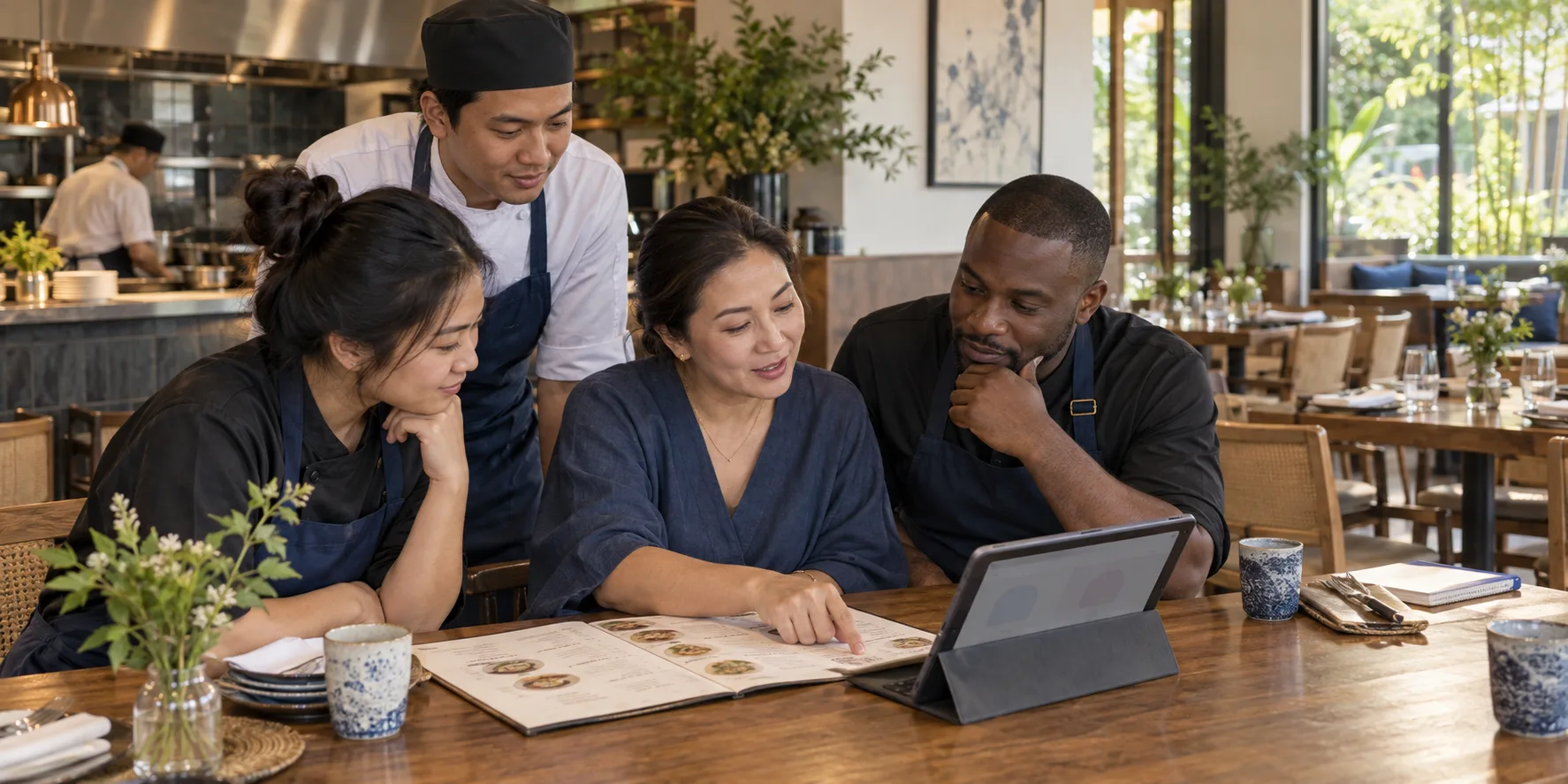
What you'll learn
- See why a restaurant that lacks everything still builds in steps instead of buying the off-the-shelf suite at once
- Understand why menu digitalization is the foundation, and how the paper menu's problems conflict with a mid-to-high-end positioning
- Understand why marketing comes before ordering, and why website ordering only reaches the kitchen without scheduling for the chef
- Understand how a customer profile makes a one-time guest feel like a regular, and how membership stored value and social-media operations are driven by data and verification
Who this is for
- Still deciding whether you need a website
- Preparing to start a project
- Running a live website
No exams, no certificates — just read what's useful.
Articles in this series
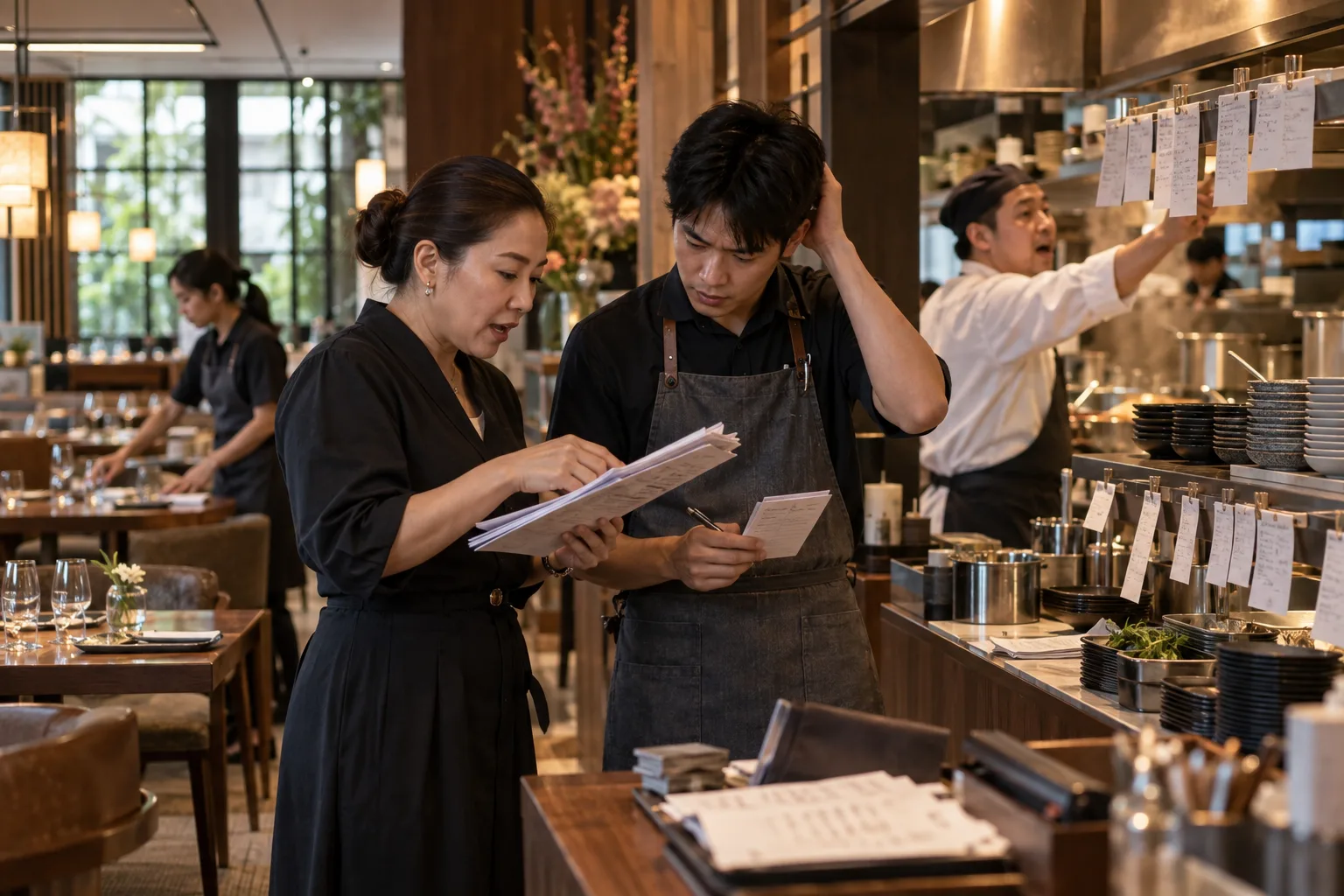 A Bangkok mid-to-high-end restaurant goes digital, part 1: it lacks ordering, kitchen, and customer systems — so why can't it just buy them all at onceComposite caseThis Bangkok mid-to-high-end restaurant genuinely lacks everything: orders by hand, kitchen by shouted call-outs, customers by memory. But the systems on the market are either too complex, too expensive once subscriptions add up over years, or sold without any design for digitalization and marketing. Digitalization is the end goal — but it has to be built in steps.Case study10 min read
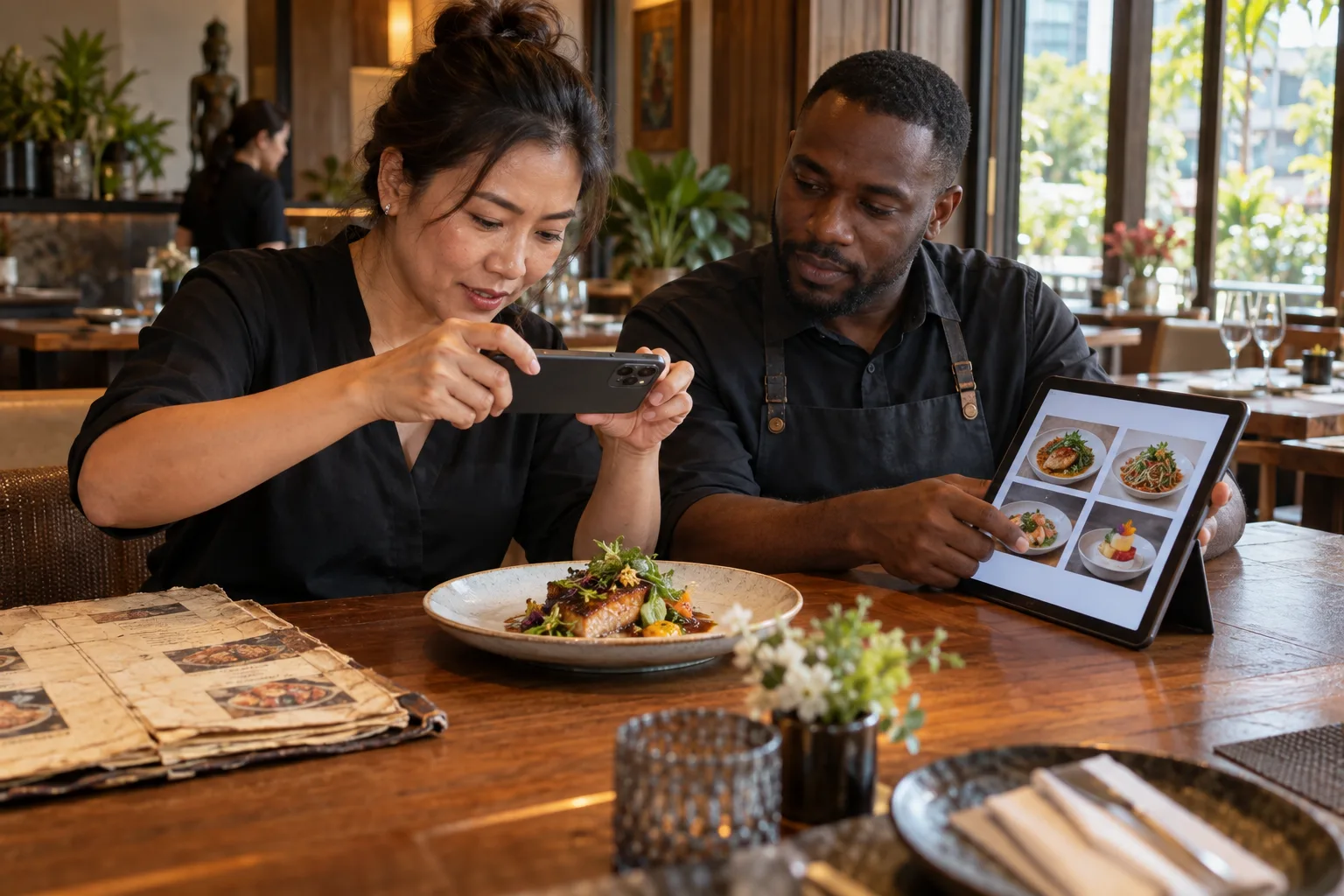 A Bangkok mid-to-high-end restaurant goes digital, part 2: start with menu digitalization — it is the foundation of everything after itComposite caseThe first step is not buying a system; it's getting the menu right. Every dish's name, description, price, and photo goes online into one unified digital menu. It solves the paper-menu problems of aging, dirtying, and reprinting or hand-scratching price changes — and it is the foundation the website ordering and kitchen orders are later built on.Case study10 min read
 A Bangkok mid-to-high-end restaurant goes digital, part 3: start with marketing — make guests able to find it, understand it, and want to comeComposite caseThe menu is online, but no guests are coming yet. This chapter does marketing first: fixing Google Maps and other platform info, introducing new food and interior photos, and building a website so potential customers can find the restaurant, understand it, and decide it's worth the visit. Draw the flow in first; ordering comes after.Case study10 min read
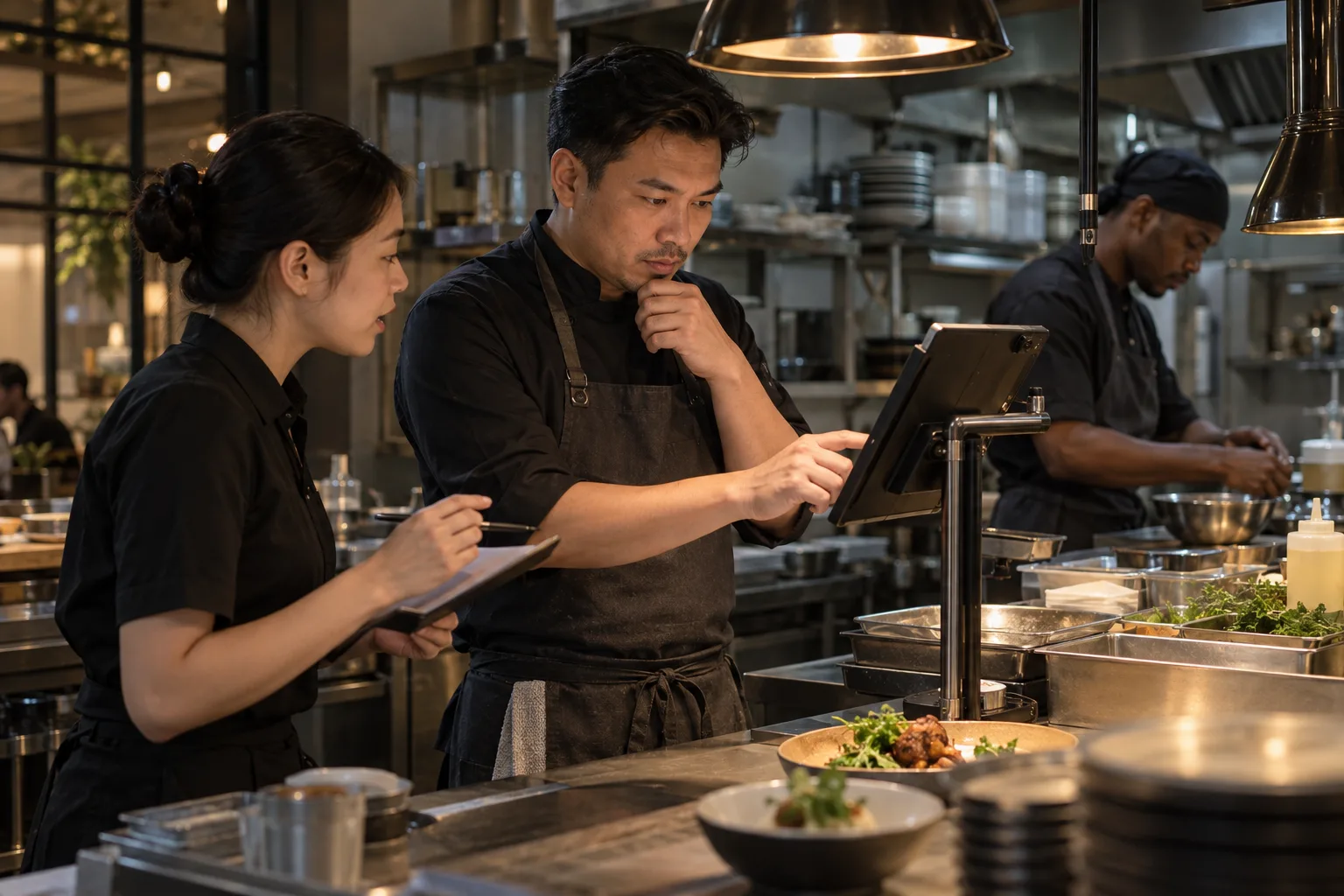 A Bangkok mid-to-high-end restaurant goes digital, part 4: start from the basics — website ordering to the kitchen, without scheduling for the chefComposite caseMarketing brings guests in and the menu is online; the next step makes orders lighter: website ordering, with the order automatically sent to a kitchen display. But this step deliberately has no automatic scheduling — how the work is planned stays the chef's call, so the existing workflow isn't broken. The goal is fewer missed orders, fewer chases, fewer mistakes — not a system deciding for the chef.Case study10 min read
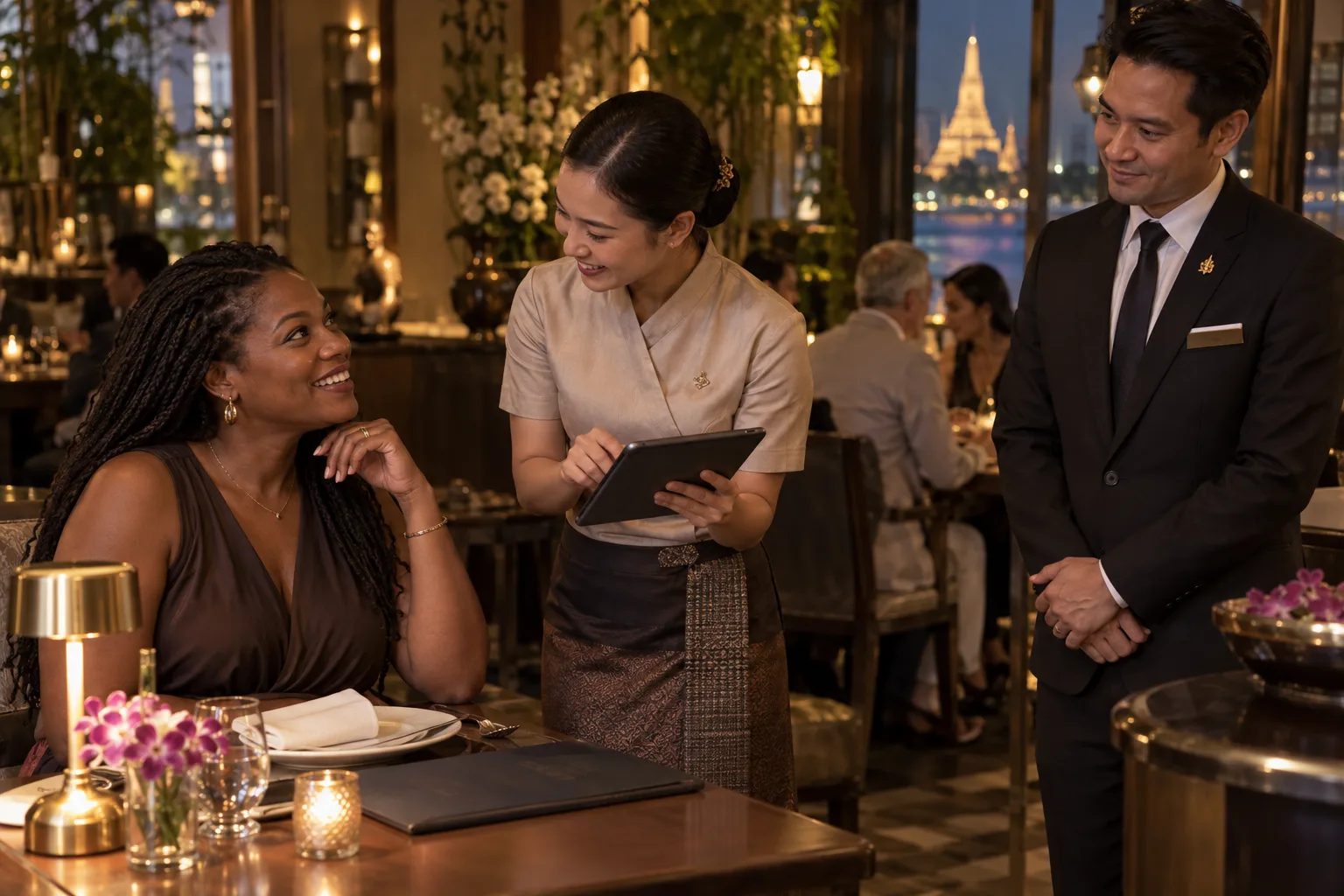 A Bangkok mid-to-high-end restaurant goes digital, part 5: build a customer base profile — make a guest who came once feel like a regularComposite caseOrders hold steady; the next step keeps the guest in memory: record tastes, preferences, and birthdays — with consent and in line with privacy rules. A guest who came only once, on their second visit, gets recognized by the server and treated like a regular. It's the lowest-cost starting point for better experience and return visits.Case study10 min read
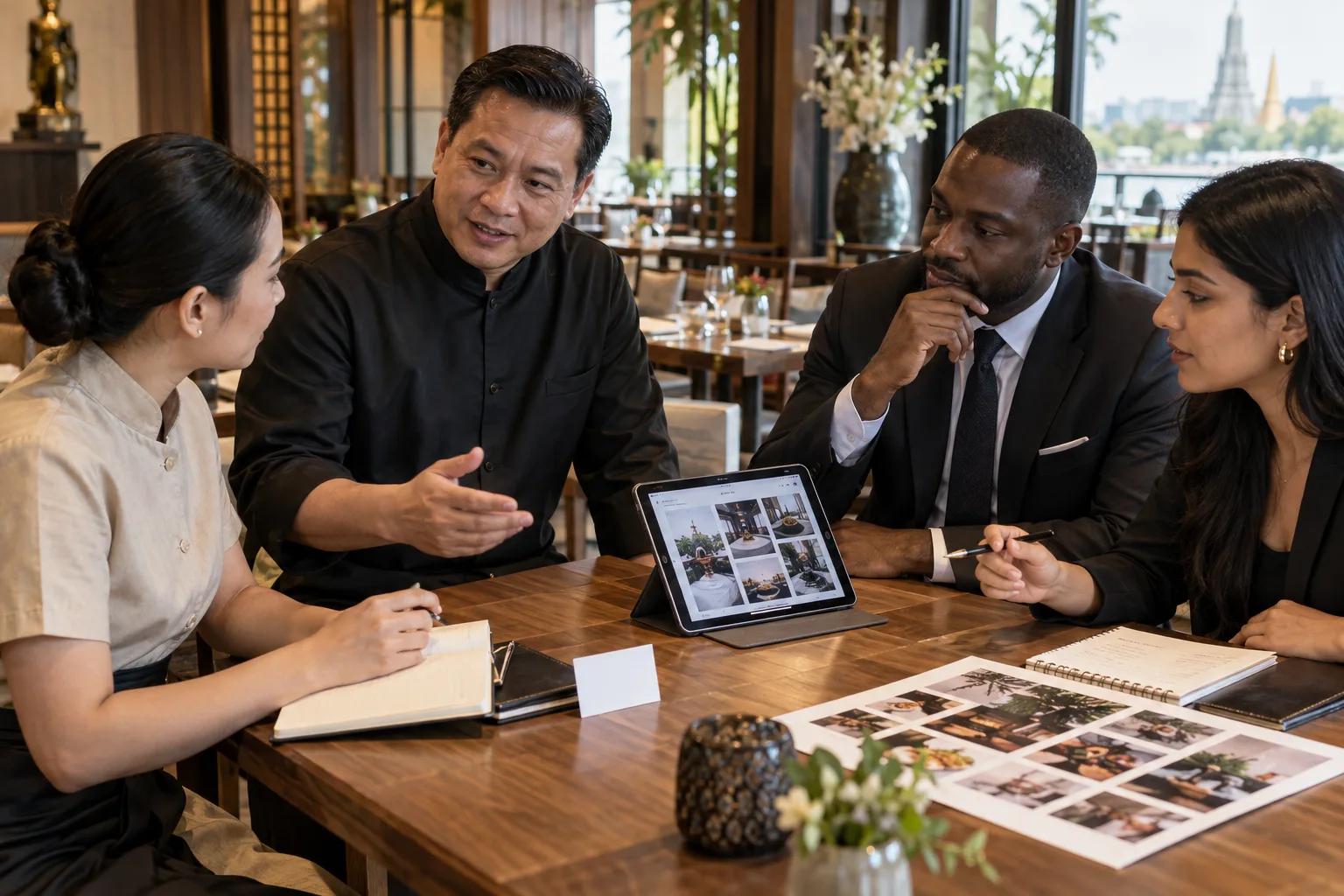 A Bangkok mid-to-high-end restaurant goes digital, part 6: the marketing upgrade — membership and stored-value cards, plus long-term social-media operationsComposite caseThe customer profile holds steady; the next step turns return visits and acquisition on: membership and stored-value cards keep regulars and build stored balance, and long-term social-media operations bring new guests in. The membership plan is decided by data, stored value carries funds and compliance boundaries, and social-media operations are a sustained investment rather than a one-off campaign.Case study11 min read
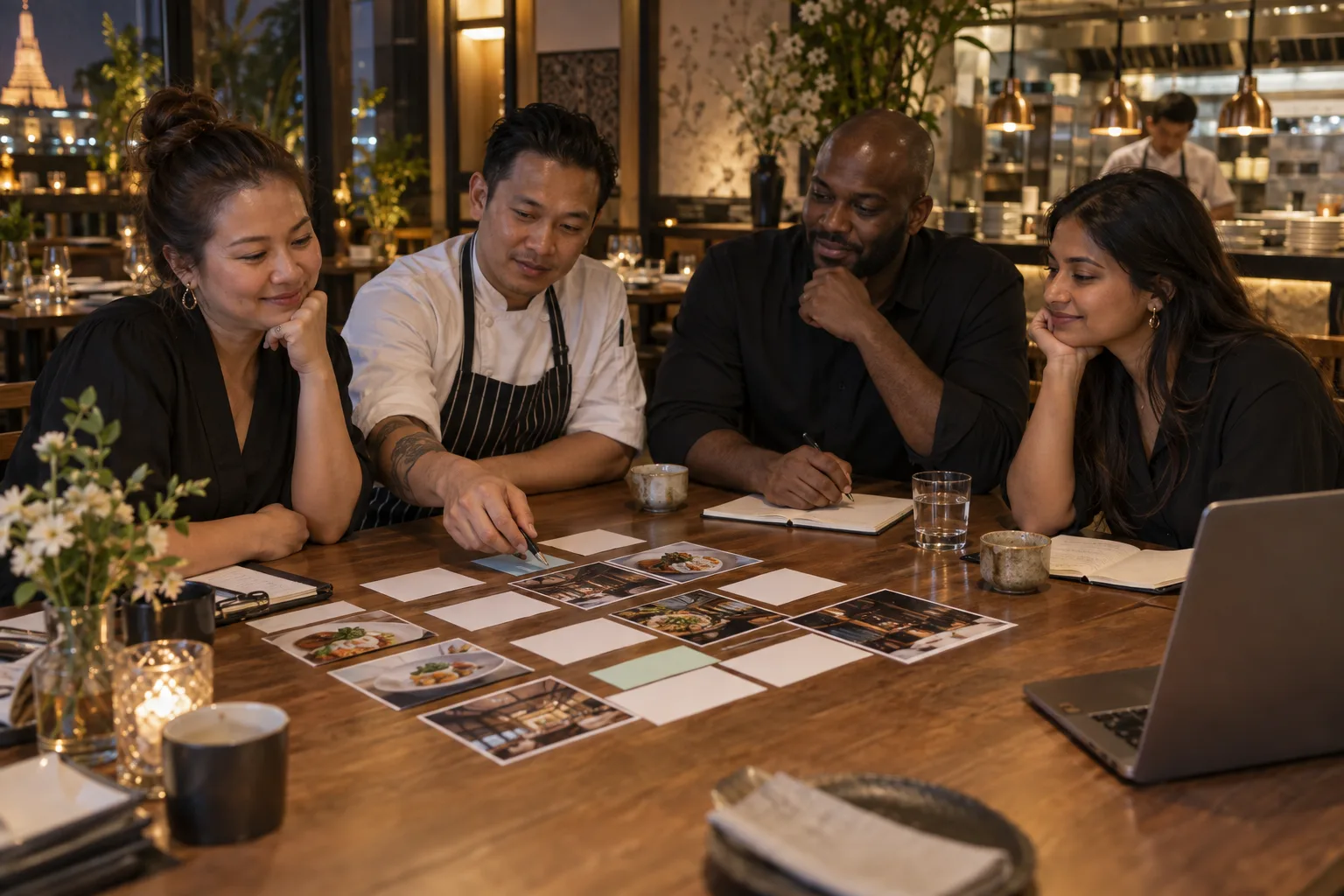 A Bangkok mid-to-high-end restaurant goes digital, part 7: looking back — every step had to stand up to market verification and scrutinyComposite caseFrom menu digitalization to membership stored value, this road wasn't walked on guesswork. Every step first answered: what problem does it solve, how do we verify it, and is it worth it. Digitalization is the end goal, but it's built in steps; and every step has to stand up to market verification and scrutiny.Case study10 min read