
Series
A Chonburi home-repair company's journey to its repeat-customer lifeline: build the quote entry first, then lock in returning customers with a PWA
A phase-by-phase case study built from real implementation experience: a home-repair company serving a concentrated area in Chonburi, with seven technicians split into teams by specialty — plumbing, air conditioning, appliances, and leaks — where technicians work on site, quotes depend on on-site judgment, and business depends on the same neighborhood coming back. It starts with a service-scope and quote-request entry point, converges vague customer problems into trackable quote records, judges from real data how much repeat business it has and how customers return, then uses a low-cost PWA to build a repeat-customer re-discovery entry and a post-service feedback loop — forming a service, feedback, improve, re-discovery cycle, all while avoiding large dispatch systems and a native app.
6 articles · 62 min total

What you'll learn
- See why a home-repair company relying on neighborhood repeat business builds a service-scope and quote-request entry point first, instead of jumping to a dispatch system or an app
- Understand how to converge vague customer problems into trackable quote records, to see which jobs are worth the trip and how high the wasted-visit rate is
- Understand why a low-cost PWA, not a native app, builds the repeat-customer re-discovery entry, and how a post-service notification triggers feedback
- Understand how the service, feedback, improve, re-discovery loop lands, while holding the line against large dispatch systems and apps
Who this is for
- Still deciding whether you need a website
- Preparing to start a project
No exams, no certificates — just read what's useful.
Articles in this series
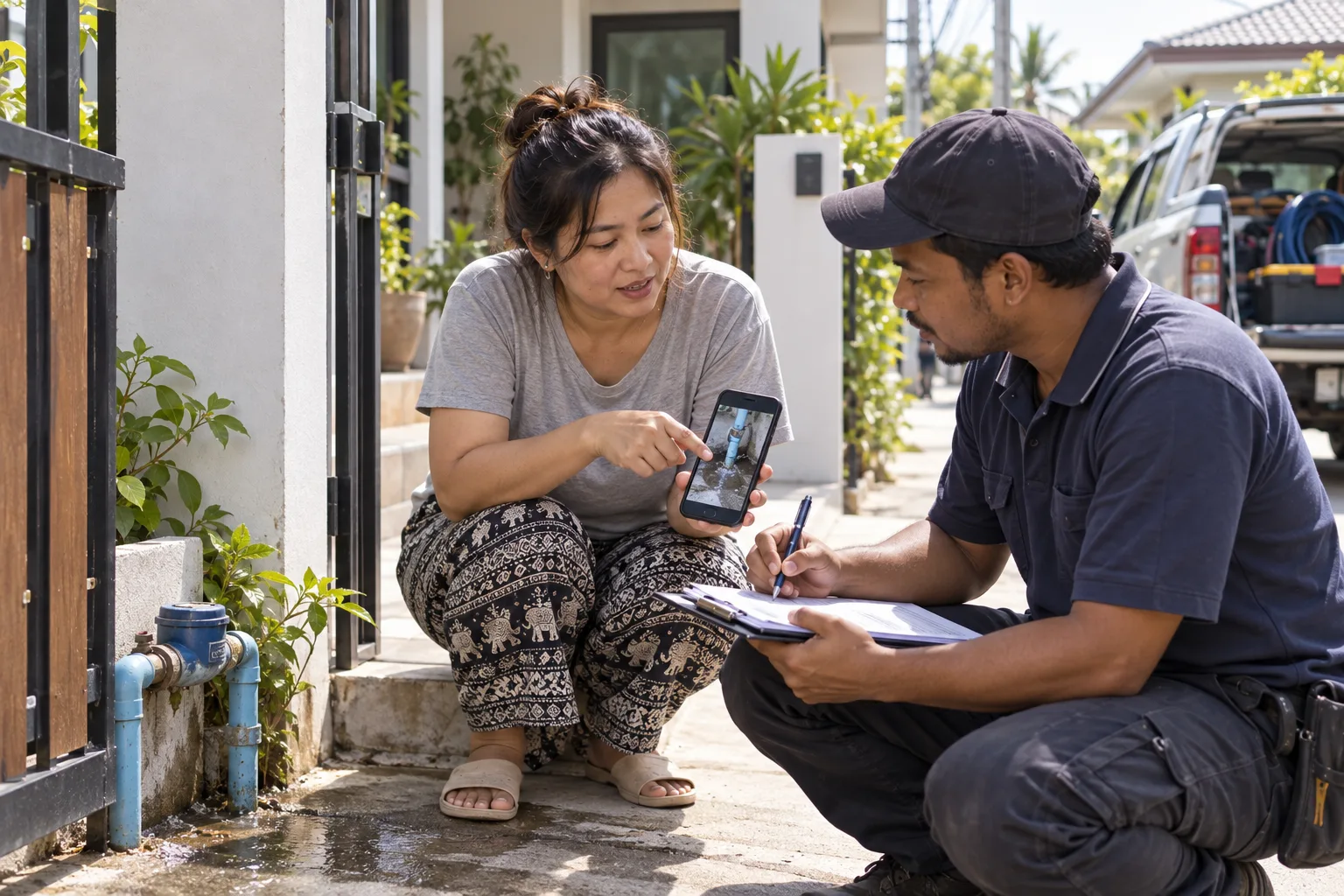 A home-repair company goes digital, part 1: why build a service-scope and quote entry first, not a dispatch system or an appComposite caseA home-repair company living off neighborhood repeat business, with technicians in the field and quotes depending on on-site judgment, hurts less from lacking a dispatch system than from vague customer problems it can't even see in its own books. Phase one builds an entry and a record so vague problems become traceable leads.Case study10 min read
 A home-repair company goes digital, part 2: phase one lands — a quote-request form, phone/LINE guidance, and one unified quote recordComposite caseHave customers describe the problem first, then quote manually, and cut wasted trips; meanwhile converge every quote request into one record, so the owner sees for the first time which jobs are worth the trip, which lose money, and how high the wasted-visit rate is.Case study10 min read
 A home-repair company goes digital, part 3: use phase-one data to judge whether a repeat-customer entry is worth itComposite caseAfter the quote record has run a while, the company finally sees its business composition: which jobs make money, how high the wasted-visit rate is, what share is repeat customers. This chapter lets real numbers decide whether to invest in a repeat-customer entry — not a gut feeling.Case study10 min read
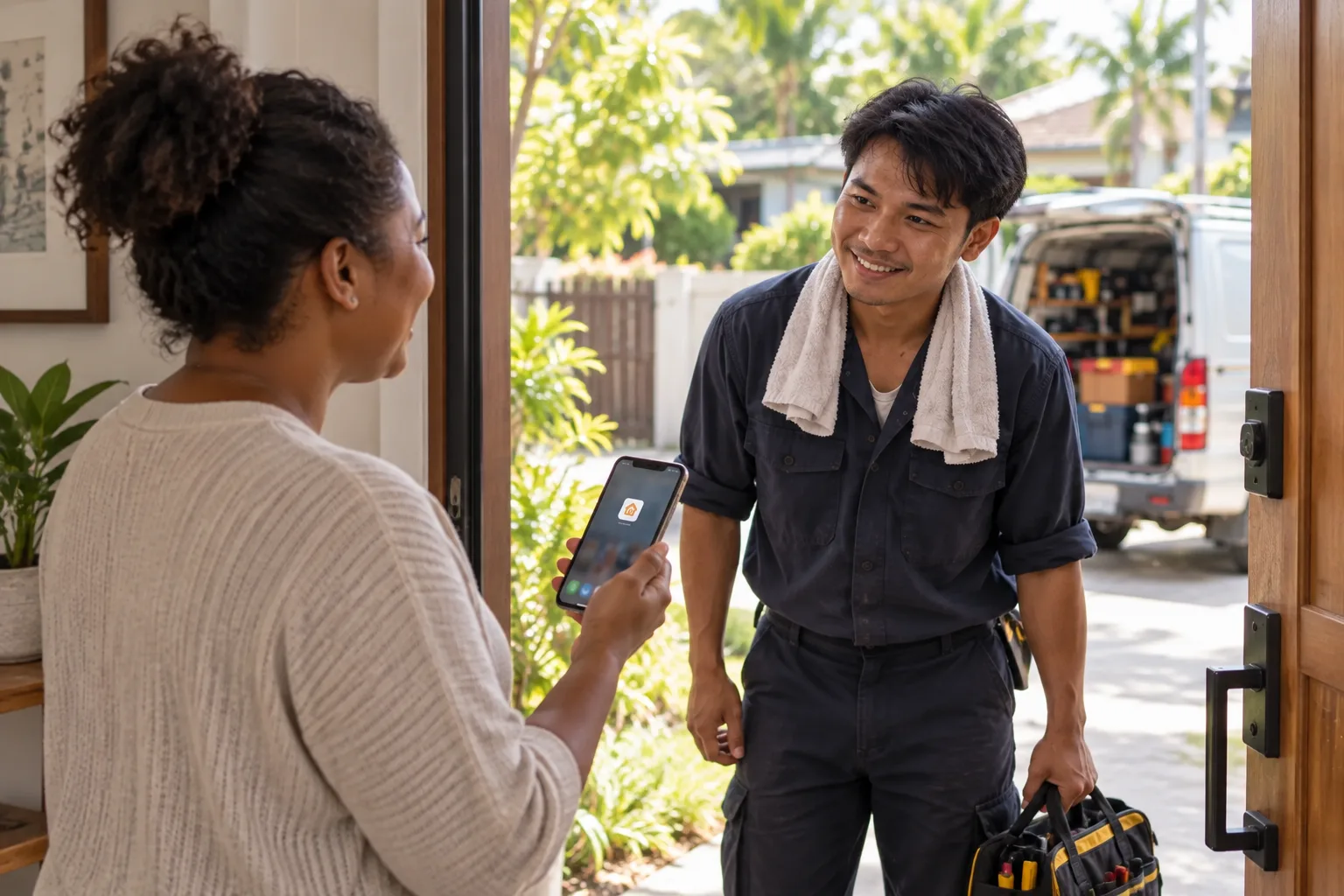 A home-repair company goes digital, part 4: phase two — a PWA as the repeat-customer entry, not a native appComposite caseRepeat customers are the lifeline, but to make them find you next time you don't need an app. This chapter explains why a PWA is enough: no app-store listing, no review, no dual-platform upkeep — yet it fully covers 'the customer finds the company again, fast.'Case study11 min read
 A home-repair company goes digital, part 5: make feedback the lifeline — the service, feedback, improve, re-discovery loopComposite caseAfter service, invite the customer to give feedback; tie feedback to the specific technician; use it to improve service; and the satisfied customer finds the company again through the PWA. This chapter explains how the loop lands, and how technicians view 'feedback will be tied to me.'Case study11 min read
 A home-repair company goes digital, part 6: looking back — the lifeline of a regional business is repeat customers, not a new systemComposite casePutting both phases together: build a quote entry so vague problems become data, then lock in repeat-customer return with a PWA, forming a service, feedback, improve, re-discovery loop. No dispatch system was built, no app was made — just a chain of small steps decided by real data.Case study10 min read